
A spatial puzzle
built for presence.

Platform Apple Vision Pro / visionOS
Engine Unity / C#
Studio ImmersiveXLabs
Year 2024 – Present
Type Spatial Puzzle · Mixed Reality

Reality fractures.
Puzzles unfold.
Understanding emerges.

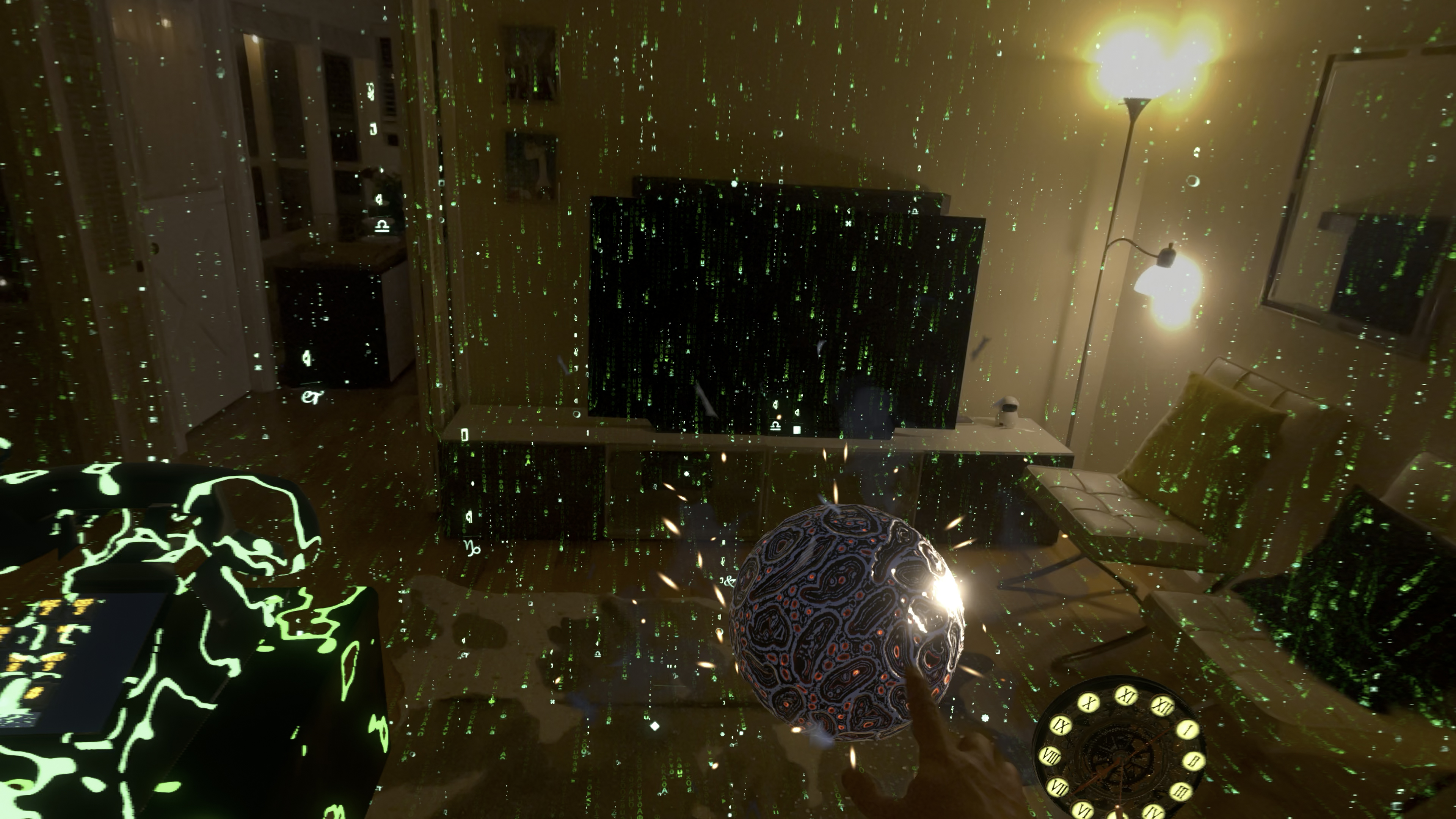
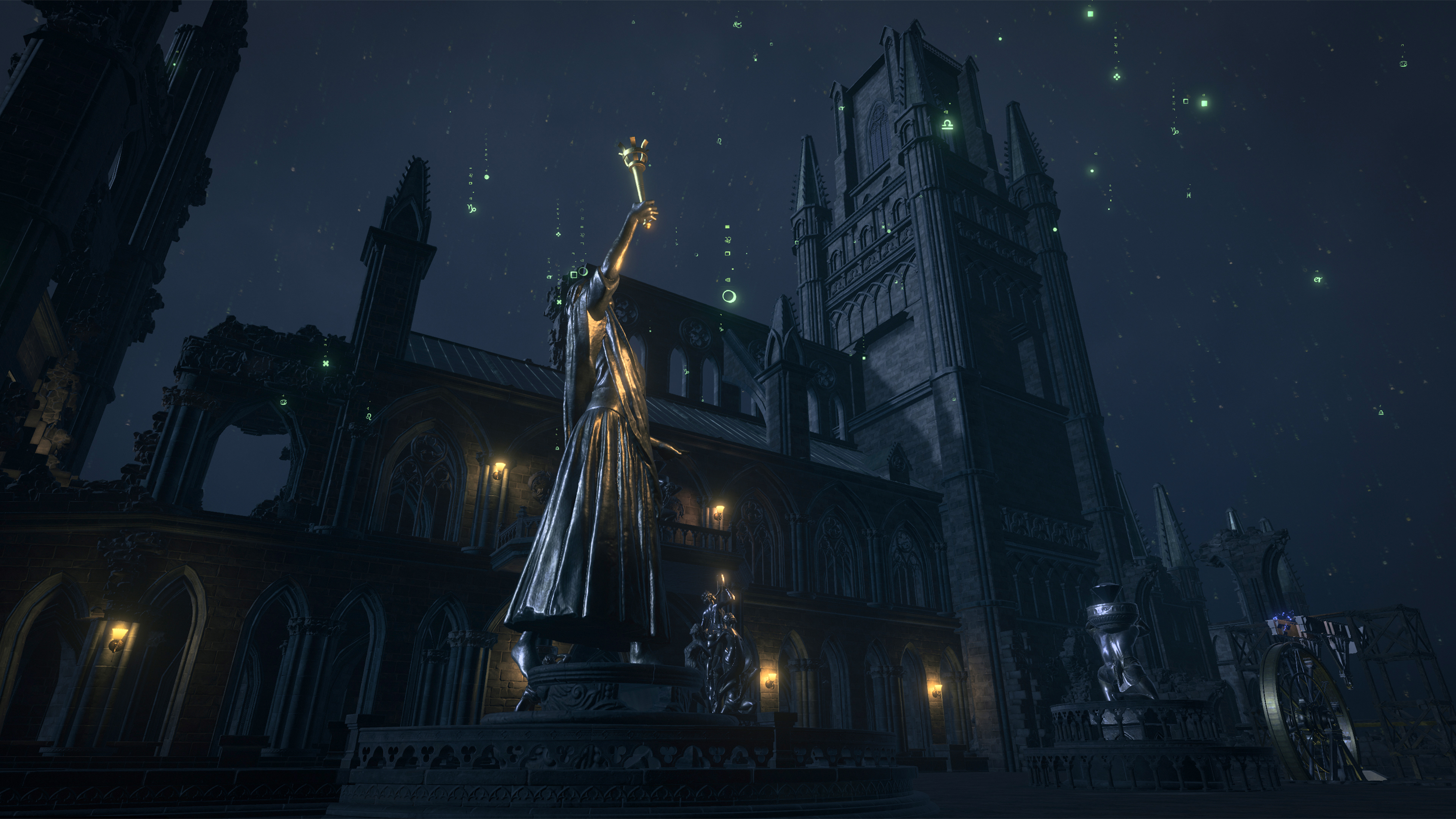
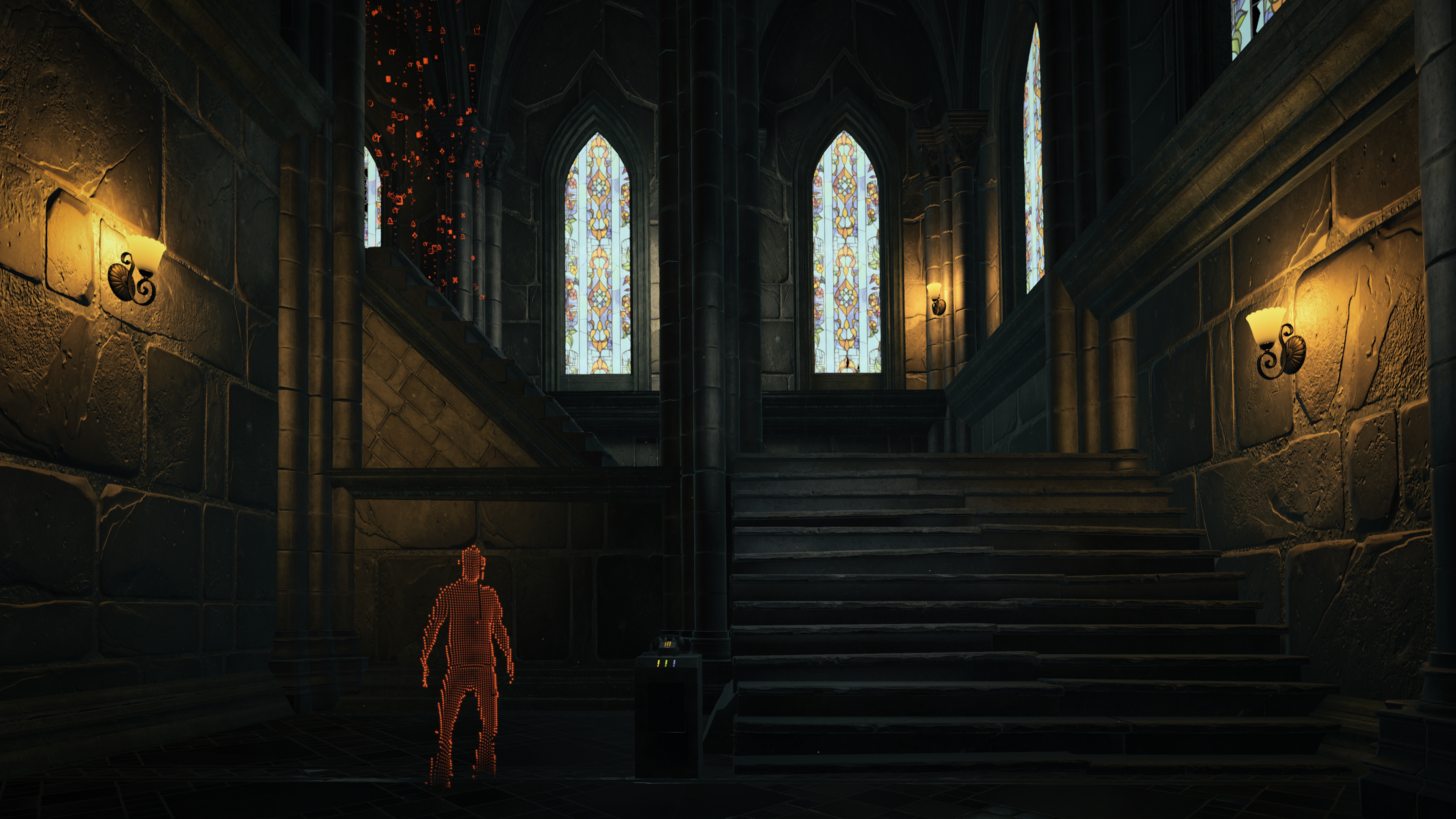
Div Zero is a story-driven spatial experience built natively for Apple Vision Pro. The real world is the level: physical mesh scanning turns your room into the game board. Gesture-based interaction replaces controllers. Presence replaces UI.

Designed and developed at ImmersiveXLabs using AI-augmented workflows, Div Zero was built to answer a question the platform hadn't yet answered: what does a game feel like when it's designed for this hardware from the first day, not ported from somewhere else?

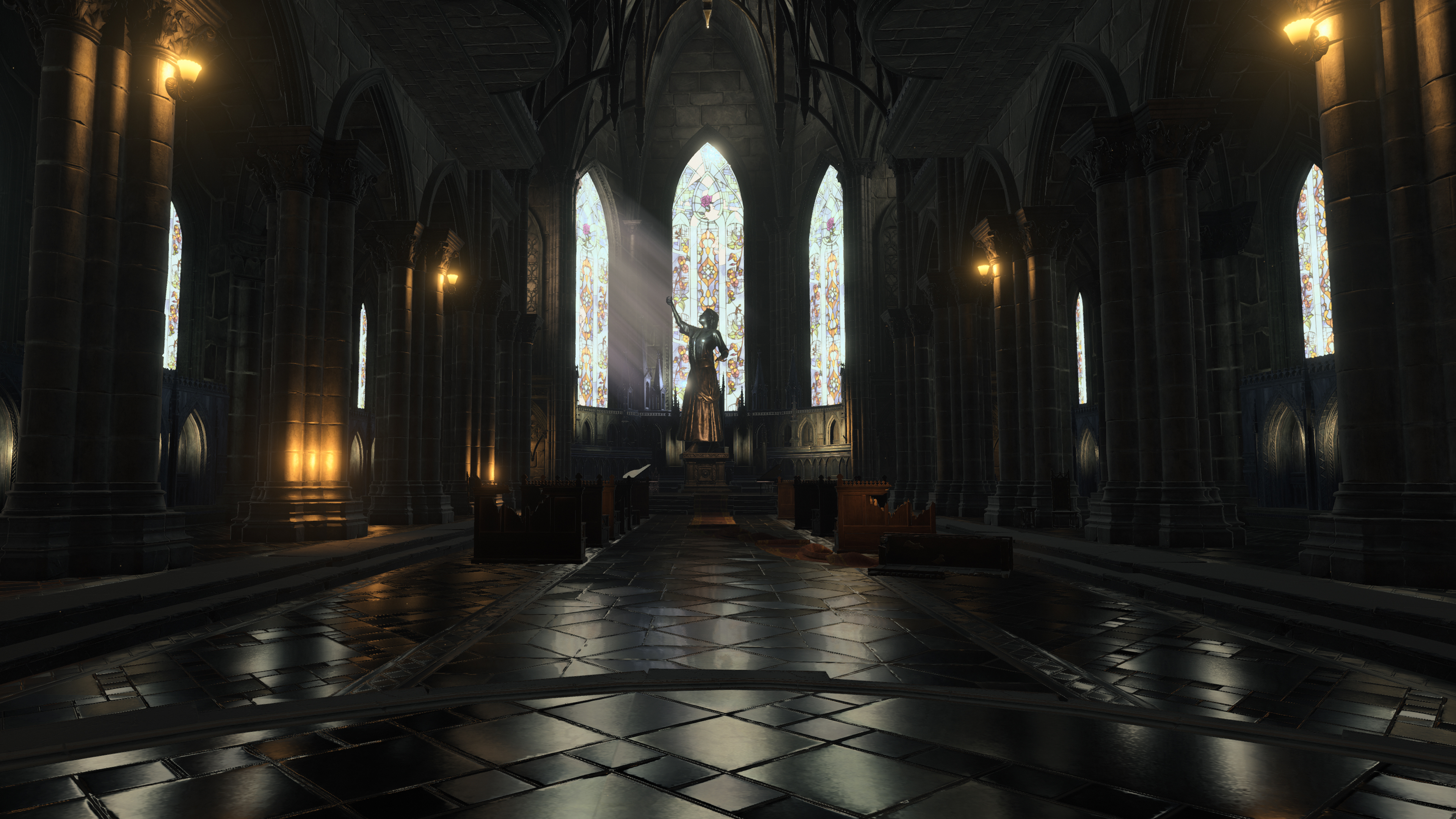
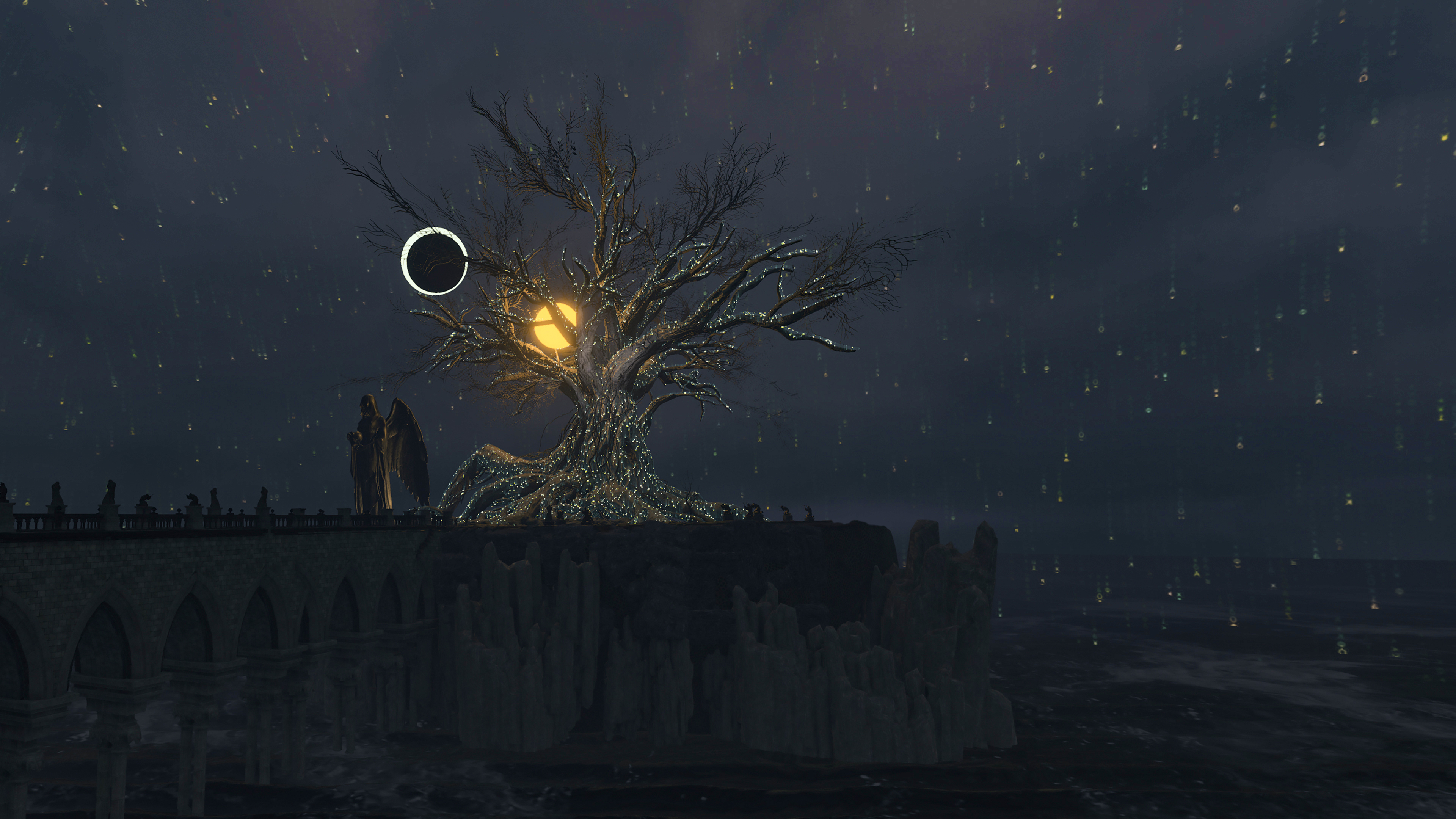
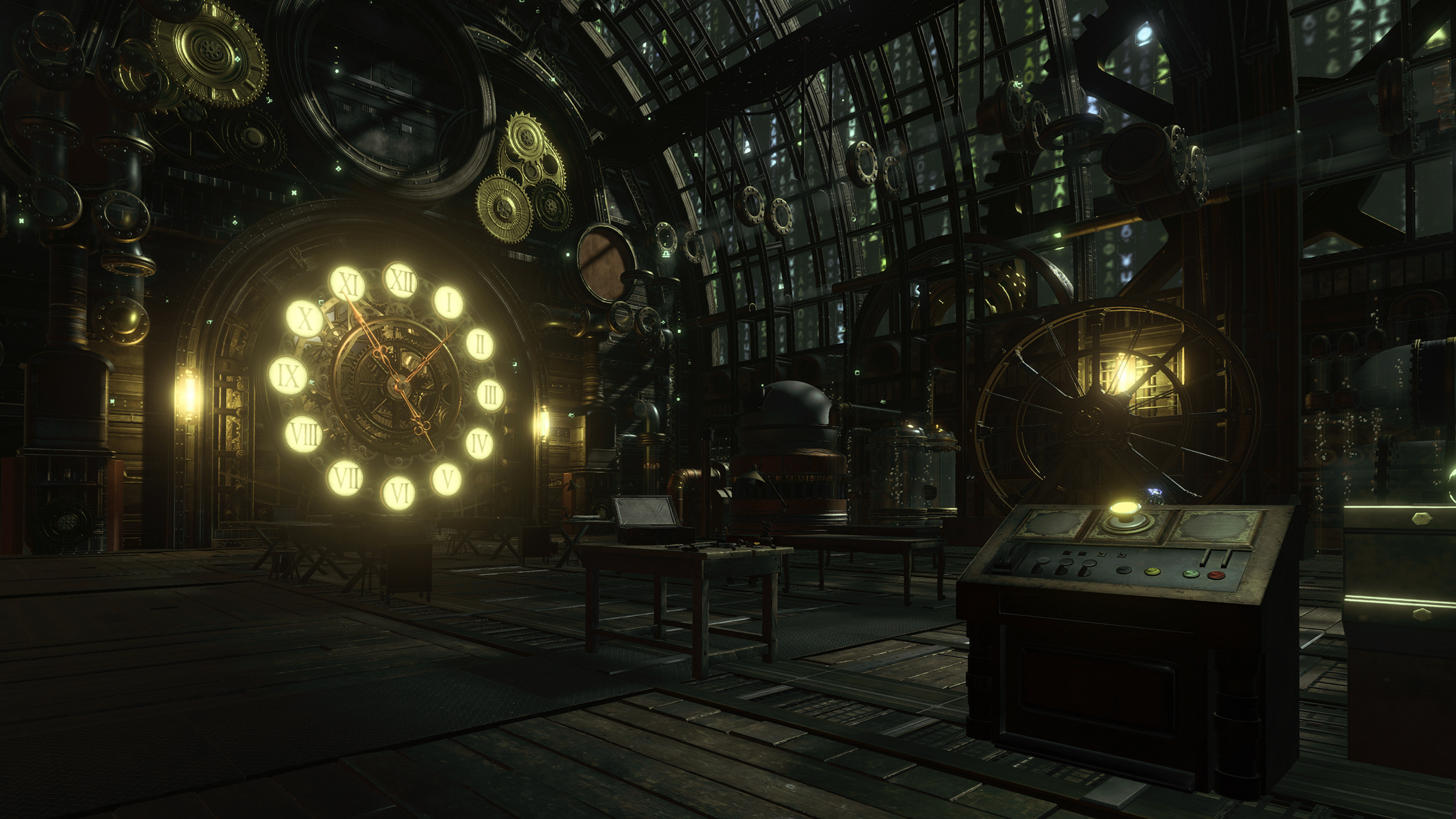
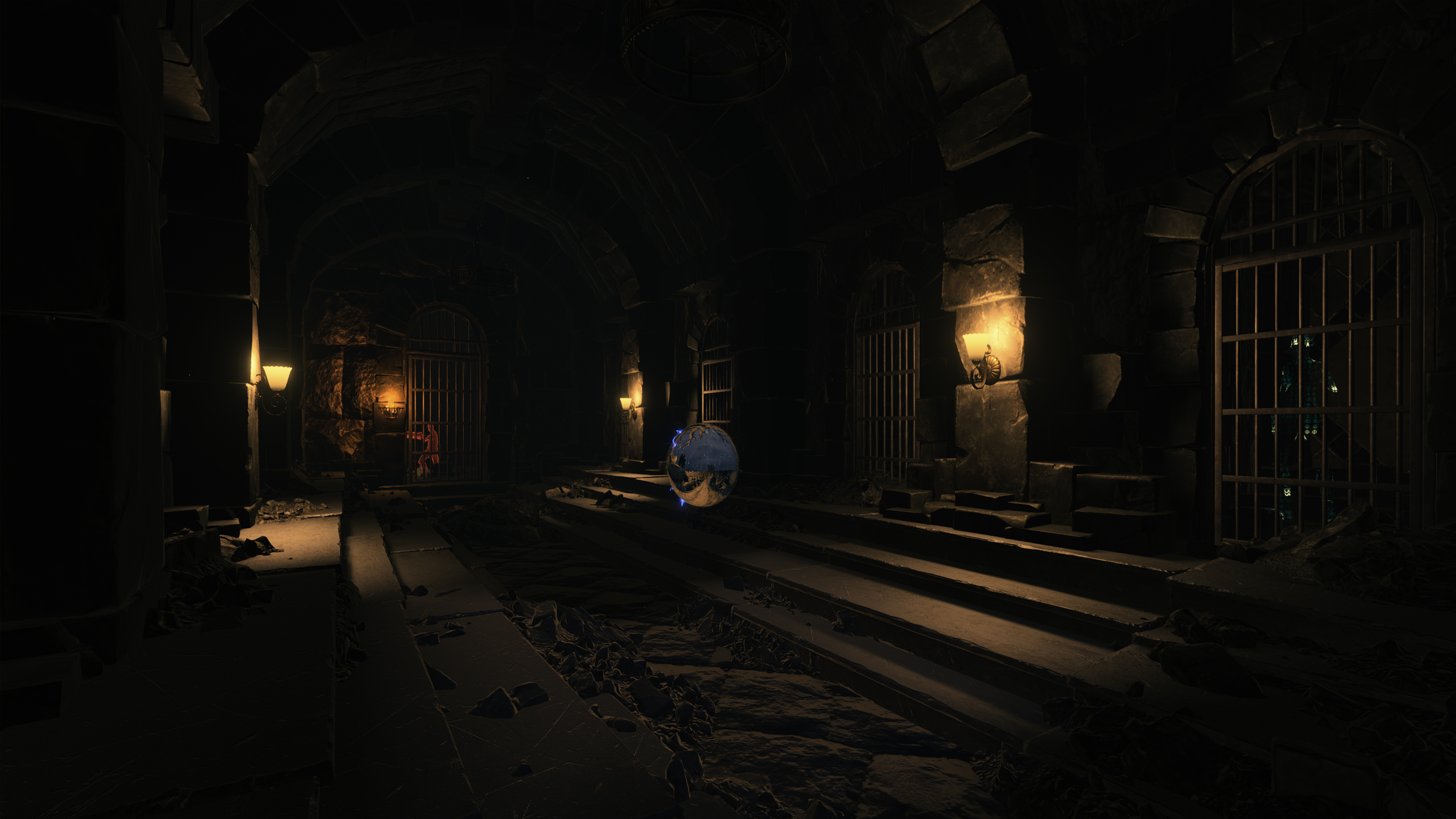
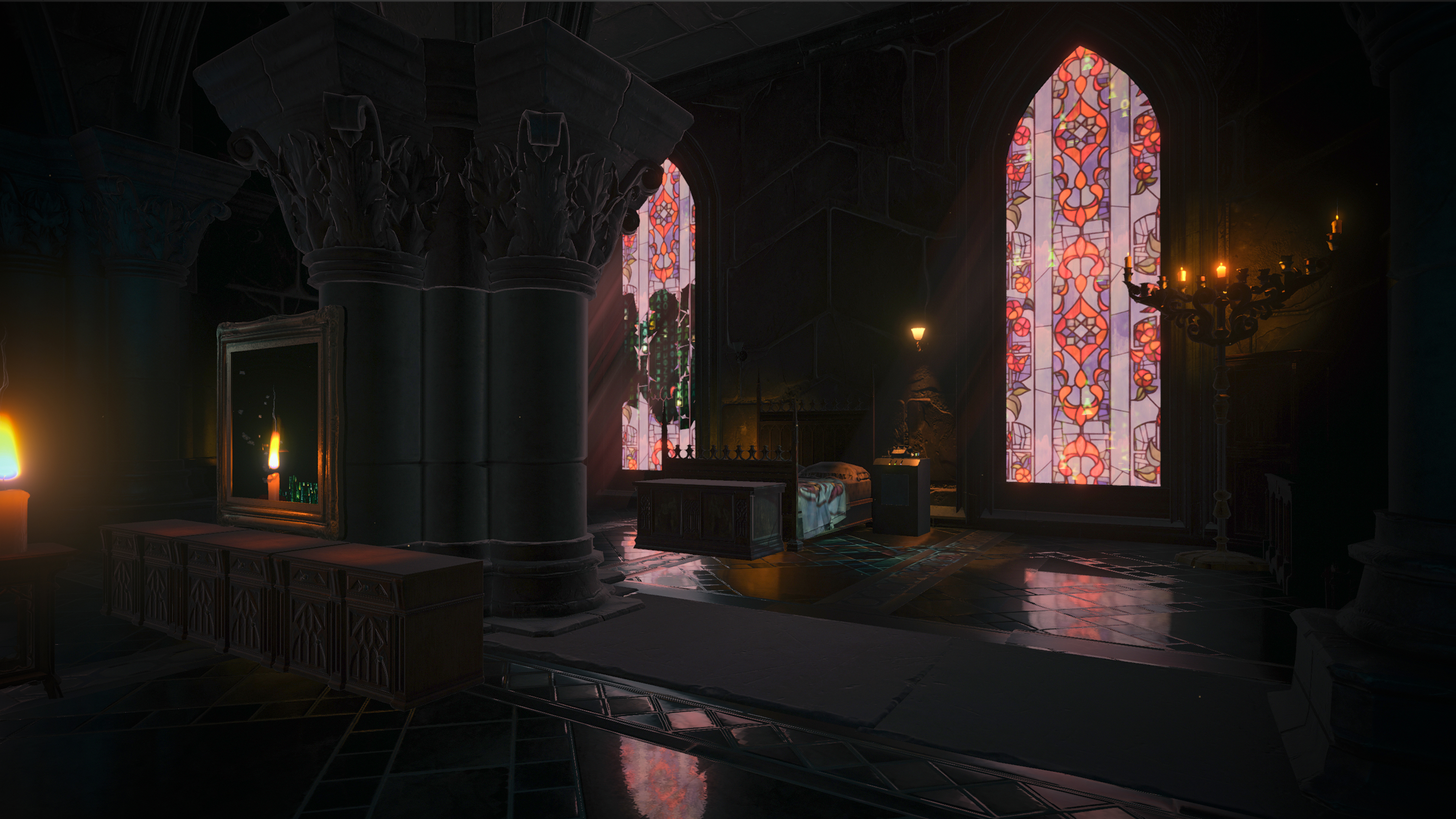
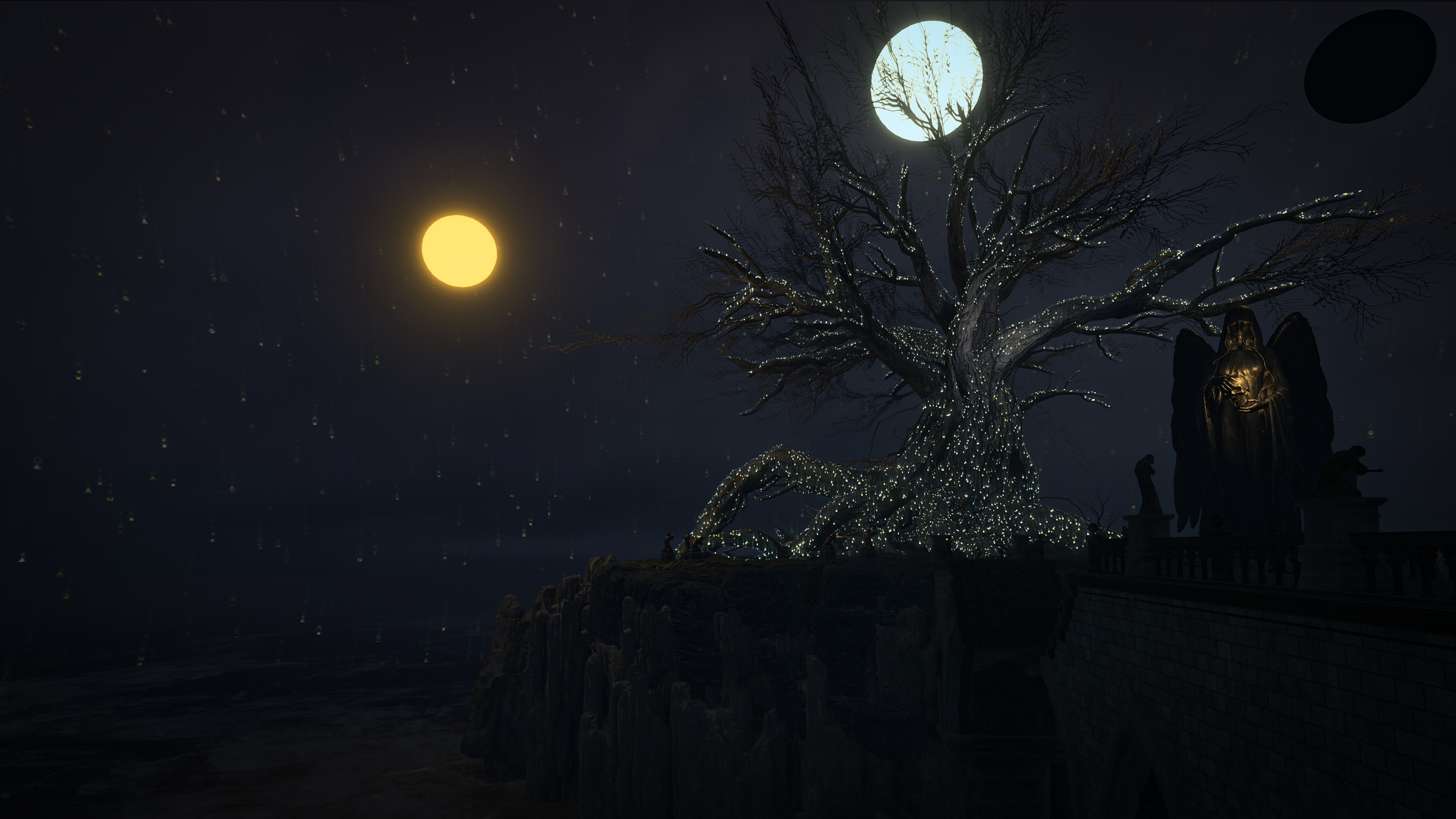
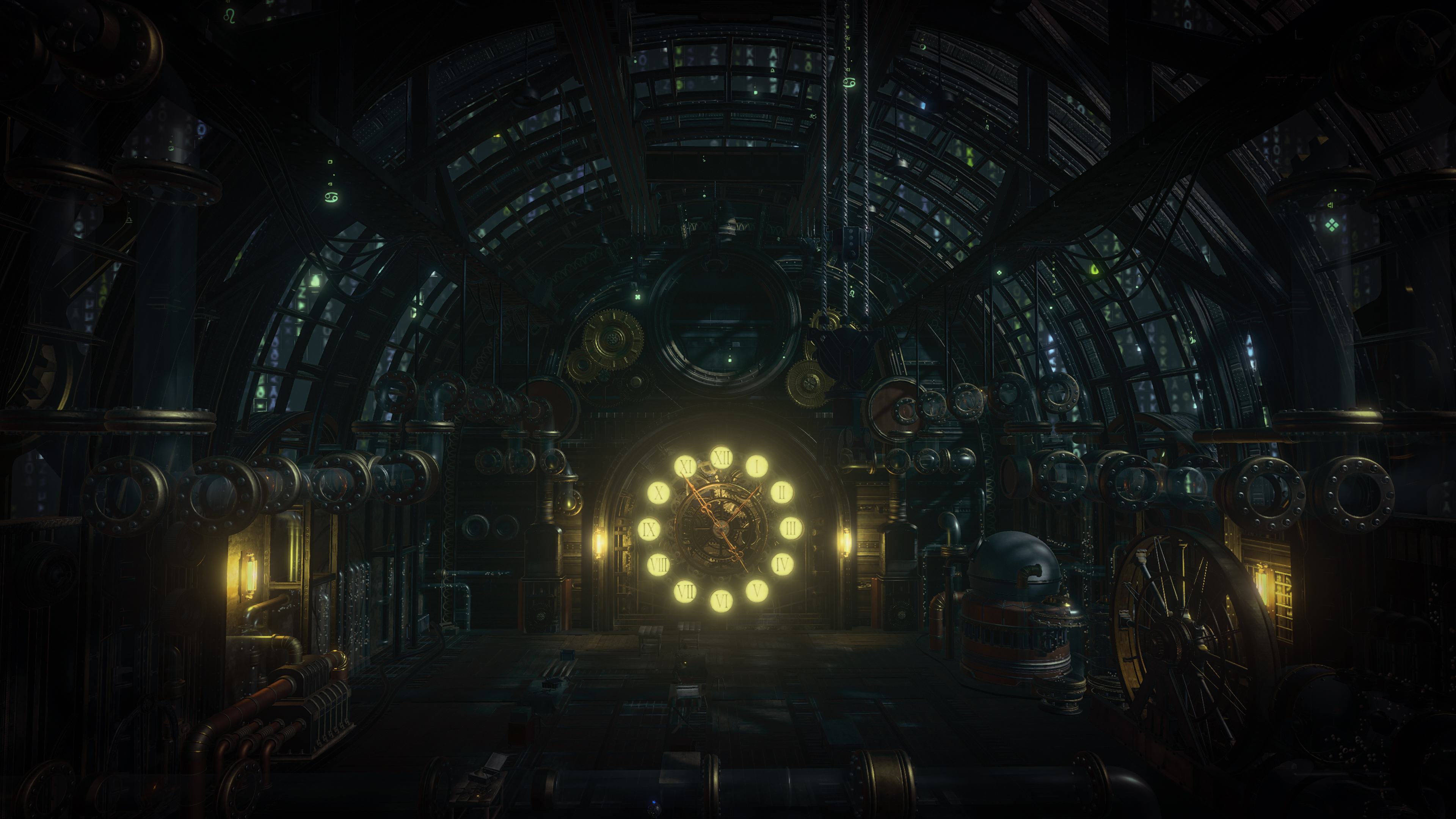
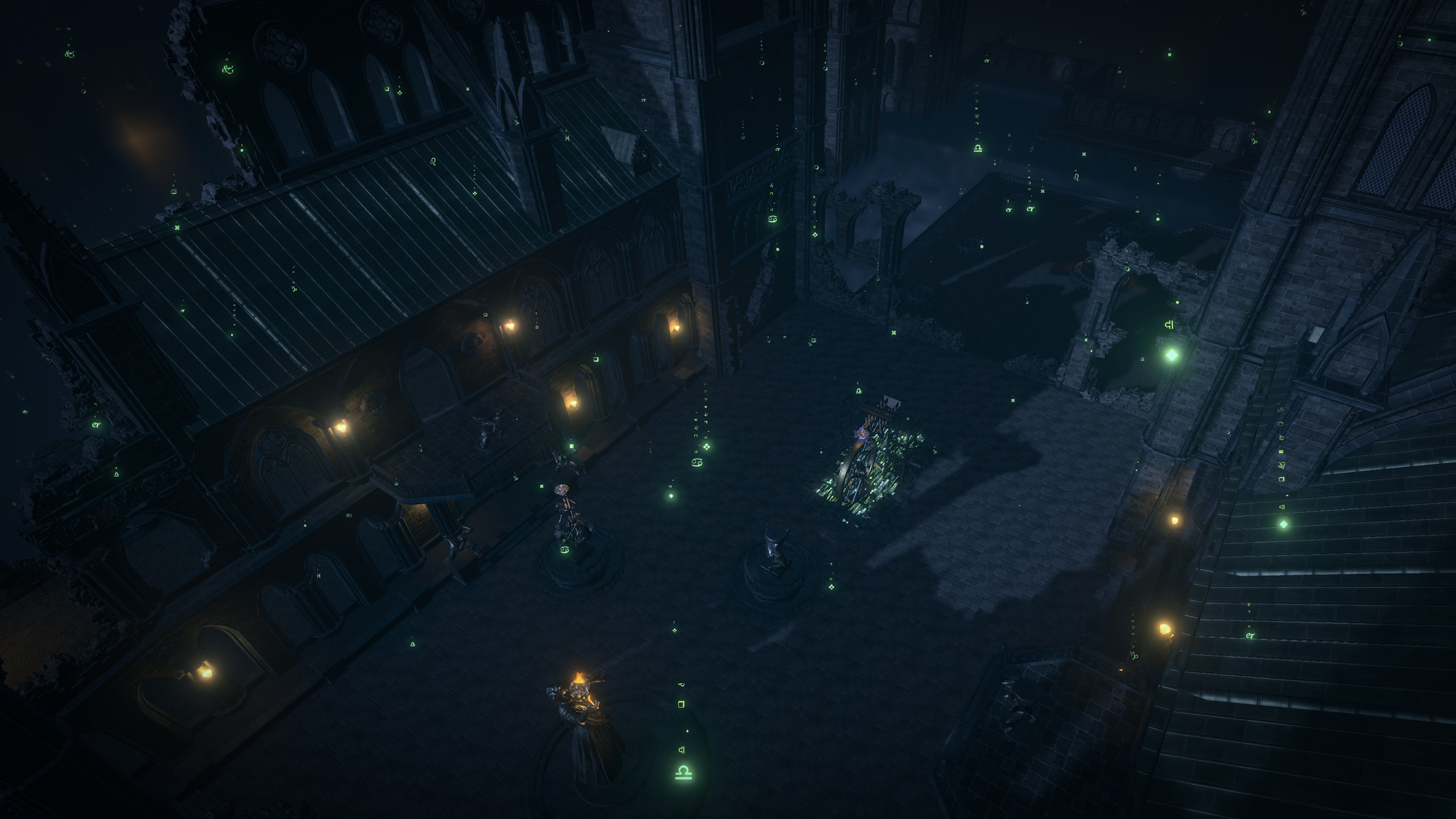
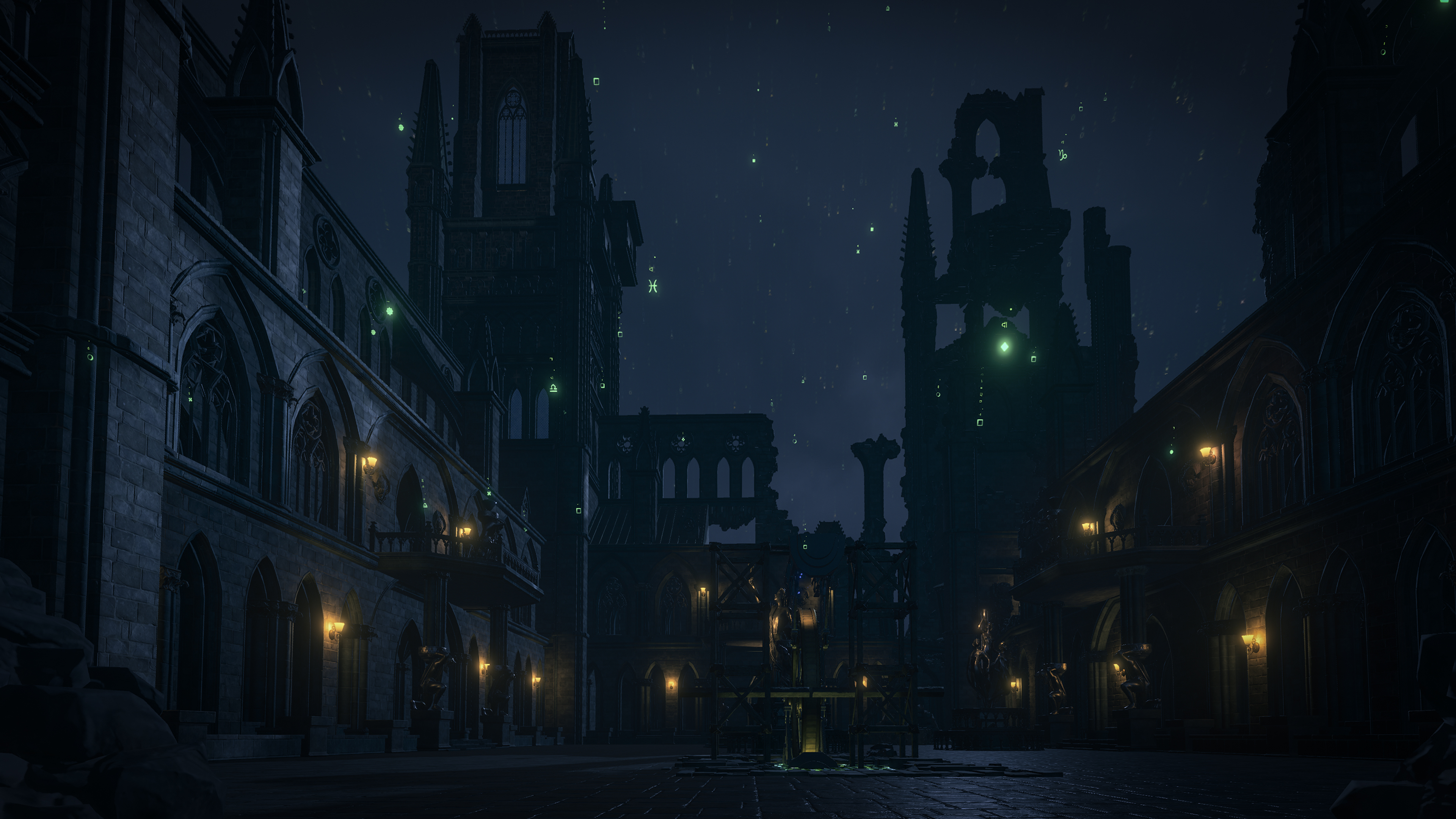
The result is a tightly paced experience across multiple handcrafted environments, from gothic cathedrals to coastal cliffs, each a spatial puzzle with atmosphere as its core mechanic.

7 Handcrafted Environments
60% Cost Reduction via AI Workflows
visionOS Built Native, Not Ported
MR Mixed Reality: Real Room as Level

Five problems
with no established answers.

01 Hardware

Comfort Is Design.
So Is Play Time.

Div Zero is shorter than most puzzle games. That is not a limitation. It is a decision made deliberately because of the hardware it runs on. Vision Pro is worn. Fatigue is real. Every minute of unnecessary length is a minute of physical cost, and padding a spatial experience to match PC game expectations would have been the wrong call.

"The session length is not a constraint we worked around. It is part of the design itself."

Discovery loops were shortened. Unnecessary friction was removed. Puzzle structures were re-evaluated not just for elegance but for physical cost. The result is a tightly paced experience that respects both the player's time and the reality of what they are wearing.

02 Interaction

Touch Without
a Controller.

One of the most interesting challenges in building for Vision Pro is touch. The display is sharp enough, and the blend of AR and VR convincing enough, that the usual tricks stop working fast. You cannot hand the player a controller. You cannot fake physical interaction when their hand passes through empty air.

"The world looks virtual, but touch still connects to something real."

One sequence places the player inside a virtual scene that visually transforms their real room into something else. The player still sees their real hands, and the physical space is still there beneath the illusion. That creates a strange and powerful effect: the world looks virtual, but touch still connects to something real.

03 Presence

Finding the Line.

Vision Pro sits at the edge of two worlds, and staying on the wrong side of that line costs everything. Too much AR and the experience stops feeling transported. Too little and you lose what makes the hardware special: the feeling that your room is no longer just your room.

A significant portion of development went into calibrating that balance. Transitions between mixed reality and full immersion had to feel intentional rather than accidental. Every state change needed to read as a choice, not a glitch. The player has to trust that the world is doing something on purpose.

04 Subtraction

Everything
That Got Cut.

Every added layer risked pulling the player out. UI, tutorials, music, pacing: all went through repeated rounds of reduction. The question at every stage was not whether something was good, but whether the experience was better with it than without it. Usually, it was not.

"Black fades looked less cinematic and more like the system had stopped working."

Even transitions required careful decisions. Softer tones maintained continuity where hard cuts broke it. What remains is only what presence actually needed, and the discipline to stop there.

05 Platform

Building
the Template.

Beyond development, one of the challenges of building for Vision Pro is that you are also helping define what players expect from the platform. Discoverability, market size, and premium positioning are all still evolving. There is no established playbook for what a native spatial experience should feel like, only what has been ported from elsewhere.

"The game is not only trying to entertain. It is also trying to show what native spatial can be."

That makes design decisions carry extra weight. Div Zero is a deliberate, polished experience built around presence, atmosphere, and trust in the medium. Built for this hardware, not adapted to it.

Designed around presence.
Built for what's next.

Every decision, cut, and compromise in Div Zero existed to protect the feeling of being somewhere. That's the standard I hold spatial design to.

ESC / CLOSE ×